
Why accessibility matters for B2B and not-for-profits
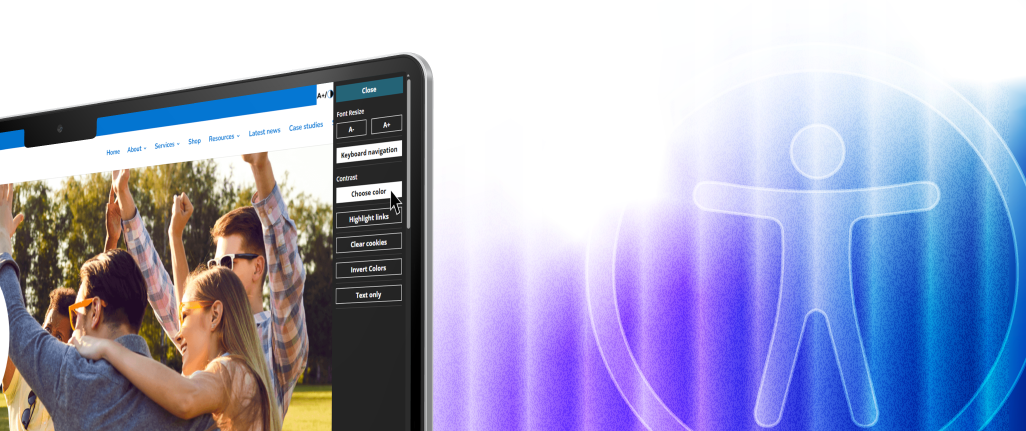
Let’s be honest, when most people think about websites, accessibility isn’t always top of mind. But we believe it should be! Accessibility is about making your website usable for everyone, including people with disabilities, those on mobile devices in busy environments or anyone trying to navigate your site while multitasking.
And yes, there’s a bonus, accessible websites tend to perform better in search engines, too. But that’s just icing on the cake, the real win is that your site works for all your audiences.
Why accessibility matters
Having an accessible website drives inclusivity across every aspect of your site, including:
- Screen reader-friendly content: Clear headings, descriptive alt text for images and logical content flow makes your site usable for assistive technologies and easier to understand for everyone.
- Readable, structured copy: Short paragraphs, bullet points and clear language improve comprehension for busy professionals, international audiences and anyone scanning content quickly.
- Keyboard navigation: Forms, menus and interactive elements should be fully usable without a mouse. If navigation is difficult, users may leave before engaging.
- Accessible multimedia: Subtitles, transcripts and audio descriptions support diverse users and also provide more content for search engines to index.
In short, the same steps that make your site accessible also improve its overall usability and reach.
Why accessibility matters everywhere
Accessibility isn’t just a “nice-to-have”, it’s essential for organisations operating internationally. Over 1 billion people worldwide live with some form of disability, many of whom could be your customers, partners or stakeholders. Making your digital content accessible ensures no one is unintentionally excluded.
Even beyond disability, accessibility overlaps with general usability for people on older devices, slow connections or using different browsers and languages. A site that works for everyone performs better, converts better and reaches further.
Why not-for-profits benefit even more
For not-for-profits and charities, accessibility is often mission critical. Your website is frequently the first point of contact for donors, volunteers or other stakeholders. Making sure it’s accessible ensures that everyone can engage, donate or volunteer without barriers.
Accessibility also ties to compliance and reputation. In some countries, digital accessibility is legally required. Beyond the law, an inclusive website sends a clear signal – your organisation cares about people, not just numbers.
Quick wins for accessibility
You don’t need a full site redesign to start making a difference. Some practical steps include:
- Alt text for all images: Ensures images are understandable for screen readers.
- Headings hierarchy: Use H1 for the main title, H2s for sections, H3s for sub-sections. It also makes your content organised and easier to scan.
- Subtitles and transcripts: Include these for all videos, podcasts and webinars. They help international audiences and users with different needs.
- Keyboard navigation: Test your site without a mouse. If you get stuck, some users will too.
- Colour contrast and font size: Ensure text is readable for those with visual impairments and for anyone accessing your site in bright sunlight or on small screens.
Even small changes can make your site more usable, inclusive and trustworthy.
Accessibility isn’t a trend; it’s good business and good practice. It improves usability, opens your site to a wider audience and shows that your organisation genuinely cares about people.
So next time you review your website, don’t just think about design, content or keywords. Think about everyone who might visit your site. Make it easy to navigate, read and engage. A website that works for everyone is a website that works for your business and for your mission.
Embrace is a brand advancement agency specialising in developing and maintaining high-performance, accessible websites that drive brand growth. With Embrace, you can expand your digital capabilities instantly to meet your needs. If you’d like to find out whether your website is accessible and ready for 2026, get in touch.
This latest thinking article was written by:

Katie Hargreaves
Content Manager
